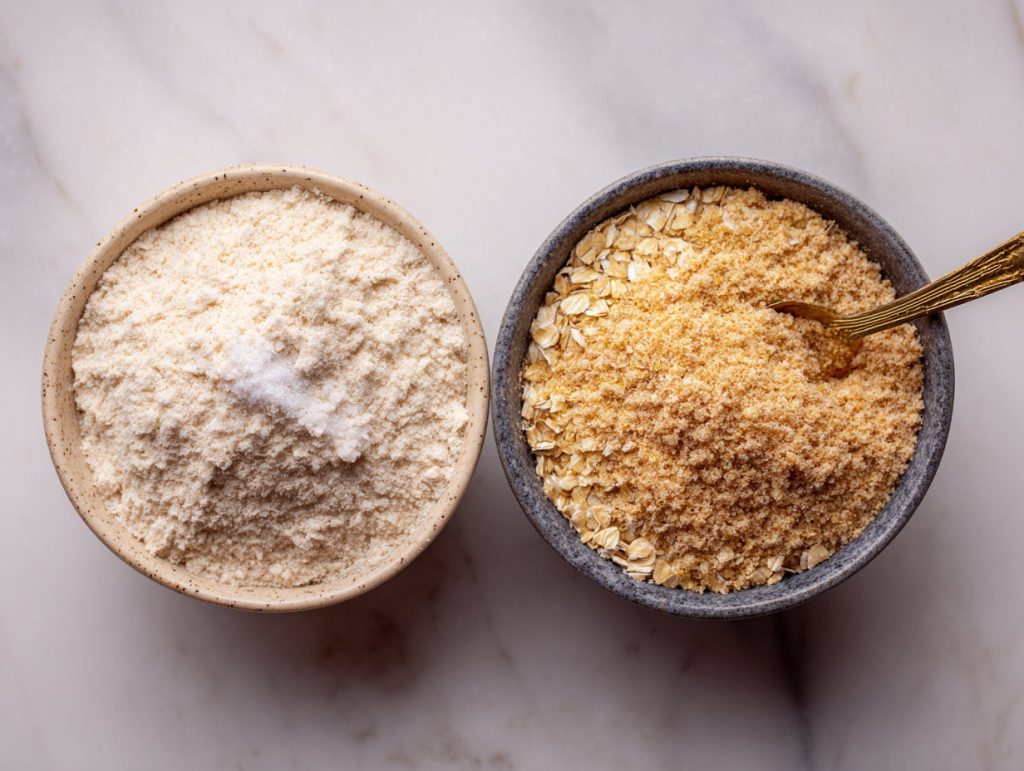
Farina and oatmeal are both popular, healthy grains commonly enjoyed at breakfast. However, oatmeal is often seen as the better choice because its higher fiber content promotes satiety and may help reduce the risk of several diseases.
What Are Farina and Oatmeal?
Farina is a finely milled wheat product made from the inner parts of wheat kernels, mainly the endosperm and germ. It has a smooth texture when cooked and is often enriched with vitamins and minerals.
Oatmeal is made from the seeds of the oat plant and is usually cooked in water or milk. It comes in varieties such as instant, steel-cut, and rolled oats, each offering different textures and cooking times. Oatmeal can be flavored with sweeteners, fruits, nuts, or spices.
Nutrition Facts: Farina vs Oatmeal
Farina is a low-calorie food that offers a range of essential nutrients. In one half cup (116.5 grams) of farina, you’ll find:
- 62.5 calories
- 2.12 grams of protein
- 0.93 grams of fiber
- 12.7 grams of carbohydrates
- 113 milligrams of calcium
- 6.2 milligrams of iron
- 8.15 milligrams of magnesium
- 26.8 milligrams of potassium
- 2.33 micrograms of lutein and zeaxanthin
- 0.112 milligrams of vitamin B6
Oatmeal is nutrient-dense and rich in complex carbohydrates, soluble fiber, protein, vitamins, and minerals. One half cup (117 grams) of instant oats prepared with boiling water provides:
- 79.5 calories
- 2.7 grams of protein
- 2 grams of fiber
- 13.7 milligrams of carbohydrates
- 93.5 milligrams of calcium
- 6.95 milligrams of iron
- 34.4 milligrams of magnesium
- 71.5 milligrams of potassium
- 0.34 milligrams of vitamin B6
- 152 micrograms of vitamin A
Health Benefits of Each Breakfast
Farina and oatmeal provide a range of health benefits. They are excellent sources of fiber, iron, and B vitamins, support healthy digestion, promote energy, and contribute to heart health.
Offer a Healthy Amount of Dietary Fiber
Farina and oatmeal are excellent sources of dietary fiber, which helps promote bowel regularity and prevent constipation.
Oats, in particular, are high in beta-glucan, a soluble fiber that can lower blood sugar and cholesterol, support healthy gut bacteria, and inhibit harmful microbes.
Support Digestion
The abundant fiber in farina and oatmeal supports healthy digestion.
Oatmeal, especially when soaked or fermented before cooking, activates natural enzymes that help break down difficult-to-digest compounds. This process enhances nutrient absorption and eases the strain on your digestive system.
Improves Heart Health
Oats are rich in unique antioxidants called avenanthramides, which are not found in other cereals. These potent antioxidants help reduce inflammation and relax blood vessels, promoting better heart health.
Further, both farina and oatmeal provide healthy amounts of fiber, which can help lower cholesterol, reduce inflammation, lower blood pressure, and reduce the risk of heart disease.
Excellent Sources of Iron
Farina and oatmeal are excellent sources of iron.
Iron is essential for the synthesis of hemoglobin, which transports oxygen throughout the body. It also plays a vital role in growth, brain development, and the normal production and function of cells and hormones.
Good Source of B Vitamins
Both farina and oatmeal are good sources of B vitamins.
B complex vitamins are vital for energy metabolism, supporting immune health, maintaining proper brain function, enabling DNA synthesis and repair, and facilitating the production of neurochemicals and signaling molecules.
Boosts Energy
Both farina and oatmeal are excellent sources of complex carbohydrates, providing a quick and sustained energy boost.
Complex carbohydrates are digested slowly, helping to maintain steady blood sugar levels and prevent energy crashes.
Potential Downsides and Who Should Avoid Each
While farina and oatmeal are healthy for most people, they may not be suitable for everyone:
- Farina is a wheat product that contains gluten and can cause problems for those with celiac disease or gluten sensitivities.
- While oats are gluten-free, they are often cross-contaminated with gluten during storage and processing. If you are sensitive to gluten, look for those labeled gluten-free. Some people may tolerate pure, gluten-free oats, but even these can trigger reactions with celiac disease.
- Highly processed versions of farina and oatmeal, including those with added sugars, may pose health risks, as diets high in ultra-processed foods are linked to several chronic diseases.
Tips for Choosing and Preparing the Healthiest Option
Both farina and oatmeal are nutritious breakfast choices that deliver essential nutrients.
Oatmeal provides more fiber and protein per cup than farina, and while both offer similar amounts of iron, oatmeal contains higher levels of magnesium and potassium. In contrast, farina is richer in calcium, lutein, and zeaxanthin. Lutein and zeaxanthin are vital for eye health.
It’s important to remember that some processed oat products can be high in added sugars, so they should be eaten in moderation.
Additionally, relying primarily on farina or oatmeal for breakfast may not meet all your nutritional needs. For a more balanced meal, consider pairing them with other healthy foods such as milk, fruit, nuts, seeds, or spices like cinnamon and nutmeg.